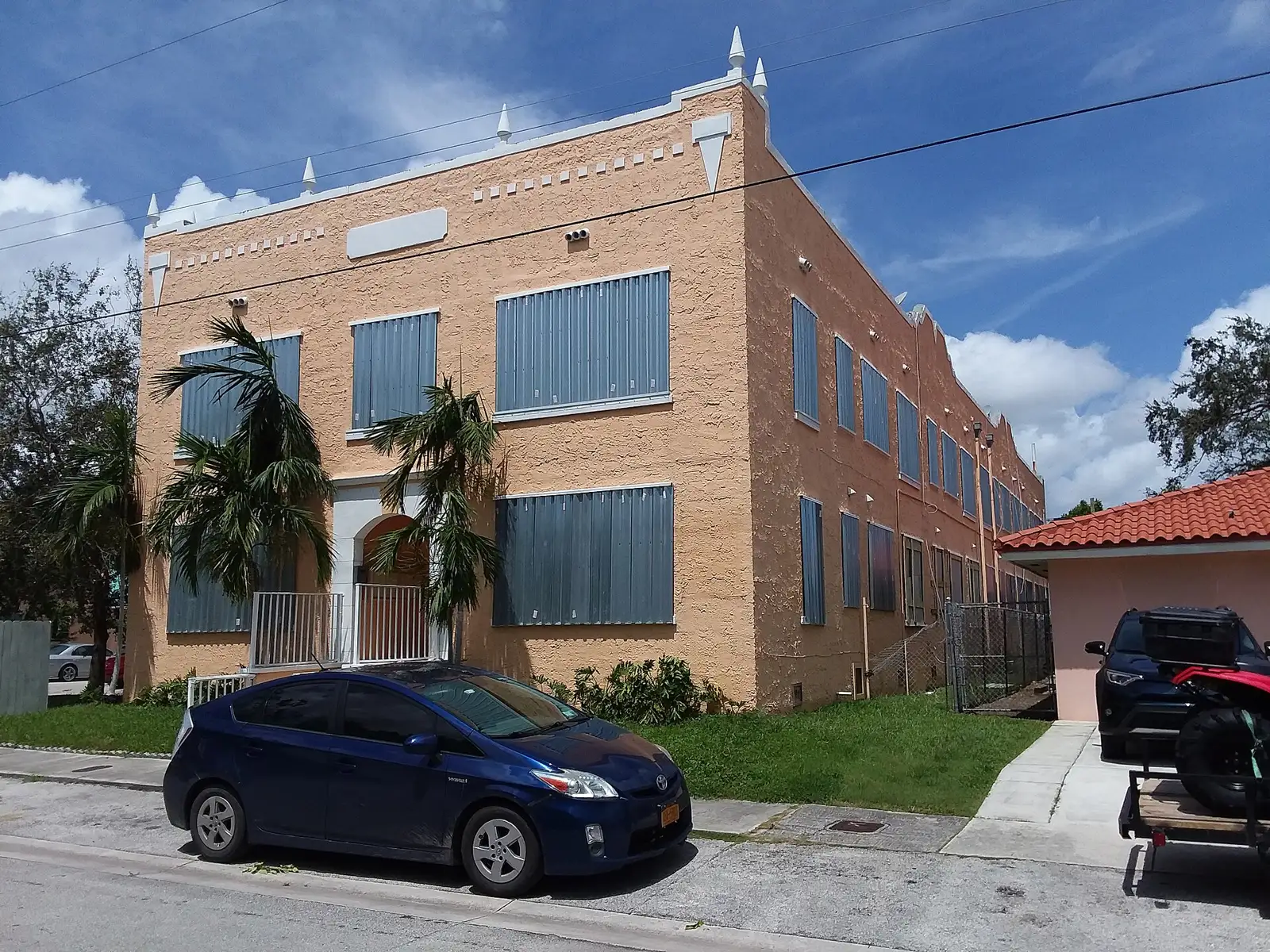
Miami-Dade orders evacuations by storm surge zone; find yours with the county's zone finder. Open evacuation centers are posted on miamidade.gov and 311.
Last checked Oct. 9, 2026. Hurricane season runs June 1 to Nov. 30. Sources: Miami-Dade County’s Weather Ready hurricane pages, its evacuation, EEAP and pet preparedness pages, and the Florida Department of Revenue.
Miami-Dade County Emergency Management decides evacuations and opens evacuation centers for the whole county, including the City of Miami. The county’s advice is to stay with family or friends who live inland, outside the evacuation area, if you are told to leave. Public evacuation centers are a shelter of last resort.
Who to call
- Emergency: 911
- County information, open evacuation centers and bus pickup sites: 311
- Text alerts: Miami-Dade Alerts
- App: Ready Miami-Dade (iPhone, Android)
- Forecast: National Hurricane Center and the National Weather Service in Miami
Know your zone
Miami-Dade issues evacuation orders by storm surge planning zone, or part of a zone, based on a storm’s track and projected surge. Before a storm:
- Look up your address in the county’s Storm Surge Planning Zone finder.
- Once an order is given, check the county’s Evacuation Orders map, miamidade.gov or local media.
The county uses two kinds of instruction:
- Evacuation recommendation: the mayor may advise some residents to leave, such as people who need extra time because of mobility challenges, or who live in flood-prone areas outside the surge zones.
- Evacuation order: the mayor orders specific areas out, based on the storm’s track and expected surge.
Evacuation centers
- Not every center opens for every storm. The list of open centers is posted on miamidade.gov and through 311 once an evacuation is announced.
- Free bus rides: emergency bus pickup sites open to take people to the centers. If none is near you, take regular Miami-Dade Transit and tell the operator you are going to an evacuation pickup site.
- Space is tight: each person gets 20 square feet, so bring essentials only.
- Bring: a sleeping bag, mat, folding cot or lawn chair; medication (refrigeration is available for prescriptions); drinking water and snacks; cash; hygiene items; extra clothes; baby supplies; and anything an elderly or disabled relative needs.
- Eat before you go. Centers serve meals such as sandwiches and soup, but setting up takes time. Bring your own food if you have a special diet.
- All centers meet Americans with Disabilities Act requirements, and service animals are allowed at all of them.
The county’s SAFE (Storm Aides For Everyone) app shows open centers, bus pickup points, disaster assistance centers and food and water distribution points once an order is out.
Pets
Miami-Dade Animal Services runs pet-friendly evacuation centers for residents of evacuation zones, unsafe structures and mobile homes. Locations are announced before the storm, and no pre-registration is needed. According to the county:
- Bring proof you live in an evacuation zone (a photo ID and a recent utility bill).
- Bring each pet’s vaccination records. Dogs need a current rabies shot and a visible Miami-Dade dog license; cats need a current rabies shot.
- Up to four pets per household: dogs, cats, birds, ferrets, gerbils, guinea pigs, hamsters, mice, rats and small rabbits under 10 pounds.
- One family member must stay with the pets. Bring a crate or leash, food and supplies.
Help for people who cannot evacuate alone
The county’s free Emergency and Evacuation Assistance Program (EEAP) provides specialized transportation, shelter, medical monitoring and wellness checks for residents who are homebound, bedbound, rely on electric medical equipment or need help with daily living. Register before a storm: pre-registered residents get priority. Apply online or call 311 for a paper application in English, Spanish or Haitian Creole. A caregiver must go with the evacuee. Nursing home and assisted living residents are not eligible; those facilities must have their own plans.
Tax-free hurricane supplies
Florida no longer holds hurricane sales tax holidays. Since Aug. 1, 2025, these items are always exempt, according to the Department of Revenue’s Tax Information Publication 25A01-05 (PDF):
- Portable generators producing 10,000 running watts or less
- Batteries: AA, AAA, C, D, 6-volt and 9-volt
- Waterproof tarps and sheeting of 1,000 square feet or less
Sandbags
We found no standing City of Miami sandbag program published for 2026. When a storm threatens, the city and county announce any distribution sites; call 311.
What this means for you
- Look up your surge zone now, not when the cone is over Miami.
- Plan a place inland with family or friends; centers are the last resort.
- Register older or medically fragile relatives for EEAP before the next storm.
- Trim trees and clear yard debris early; see trash and recycling for bulky pickup.
Related: power outages in Miami, who to call at City Hall and road construction and closures.
Frequently asked questions
How do I find my evacuation zone in Miami?
Use Miami-Dade County’s Storm Surge Planning Zone finder. When an order is given, the county’s Evacuation Orders map shows whether your address must leave. Orders are issued by zone or partial zone.
Are Miami-Dade hurricane shelters pet friendly?
Some are. Miami-Dade Animal Services runs pet-friendly evacuation centers for people in evacuation zones, unsafe structures or mobile homes. No pre-registration is needed; bring rabies and vaccination records, up to four pets.
Is there a hurricane sales tax holiday in Florida?
Not anymore. Since Aug. 1, 2025, portable generators of 10,000 running watts or less, common batteries and tarps up to 1,000 square feet are always exempt from Florida sales tax.
How do I get hurricane alerts in Miami-Dade?
Sign up for Miami-Dade Alerts by text and download the Ready Miami-Dade app. During a storm, call 311 for open evacuation centers and bus pickup sites.
What if I need help evacuating in Miami-Dade?
Register in advance for the county’s free Emergency and Evacuation Assistance Program (EEAP) online or through 311. It provides specialized transportation, shelter and medical monitoring for eligible residents.
Have your say